Aromatherapy isn’t just for wellness experts or spa lovers. It’s a simple, natural way to bring moments of calm, clarity, and comfort into your day using the power of scent.
Curious about aromatherapy but not sure where to start? You’re in the right place.
Whether you’re looking to create a more relaxing bedtime routine, energize your morning, or enjoy a home that smells amazing, aromatherapy can help.
✨ Get 12 Free Holiday Diffuser Blends — Printable PDF
Instantly make your home smell like Christmas with these festive, ready-to-use recipes.
What’s more, it doesn’t have to be complicated. It’s easy to get started once you understand how aromatherapy works and the safety principles underpinning this practice.
This guide is designed especially for beginners. You won’t find any technical jargon or overwhelming advice here. Just easy steps, helpful tips, and a gentle introduction to using essential oils in a way that fits your lifestyle.
So take a deep breath, and let’s begin your aromatherapy journey, one drop at a time.
Learn, Experiment, Enjoy!
Table of Contents
Affiliate Disclosure: Some links on this site are affiliate links. I may earn a small commission if you purchase through them, at no extra cost to you. See the full affiliate disclosure.
What Is Aromatherapy? A Simple Explanation
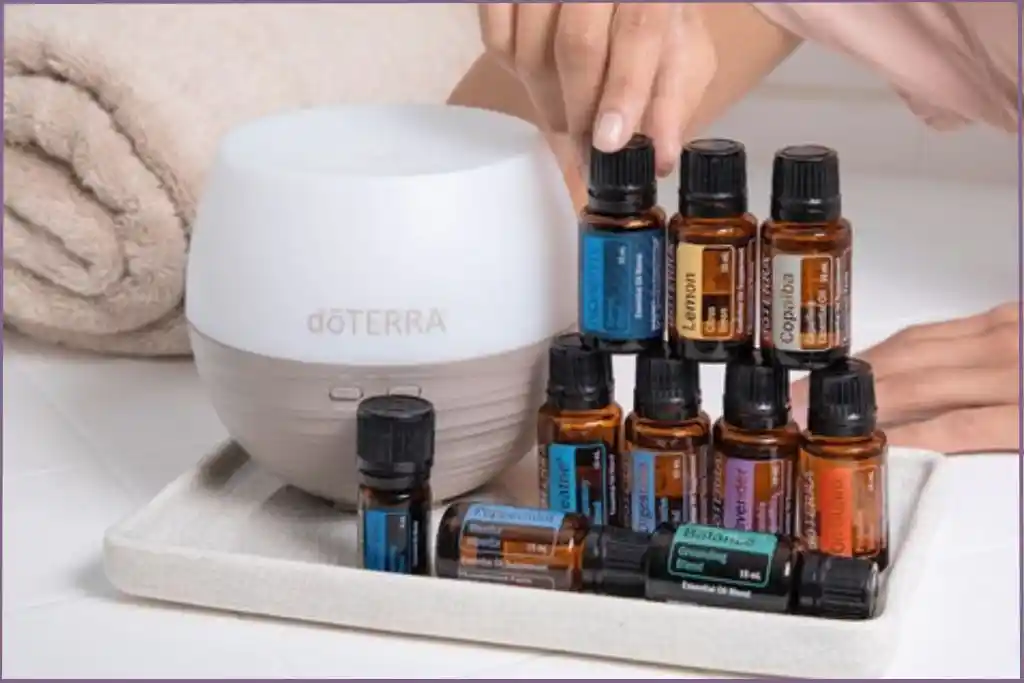
Aromatherapy is the practice of using natural plant-based essential oils for their scent and the way they make you feel. That’s all it comes down to.
When you breathe in the aroma of an essential oil, it can influence your mood. The key is to know which essential oil to use for your desired mood. Inhaling the calming scent of lavender can help you feel more centered and relaxed, while the uplifting zing of citrus can help you feel more energized.
Some people use aromatherapy to unwind at night with calming oils, others use it to feel refreshed in the morning with energizing oils. It truly is a gentle form of self-care that you can shape to fit your needs.
This guide focuses on what matters most to you: how to use essential oils in everyday life to feel more grounded, energized, or relaxed. Aromatherapy is about creating small moments of self-care that support your well-being.
This detailed guide on what is aromatherapy covers more information about how it works via olfactory pathways and brain receptors.
What You’ll Need to Get Started
You don’t need a huge investment or a shelf full of oils to get started with aromatherapy. Neither do you need to be an expert to begin.
You can start enjoying the benefits if aromatherapy right away with just a few basic accessories. What you do need, though, is a good understanding of how aromatherapy works and safety precautions when using essential oils.
These are the 3 basic things you need to get started.
1. Beginner-Friendly Essential Oils
Start with 3 – 5 versatile essential oils that are beginner-friendly, easy to use, and work well in a variety of settings.
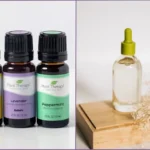
I highly recommend starting with these three essential oils. Interestingly, most brands club these three oils together in beginner aromatherapy sets.
- Lavender essential oil is ideal for relaxation and unwinding in the evening. It is gentle, calming, and a favorite for bedtime routines.
- Lemon essential oil brings a bright, fresh scent that’s great for mornings or uplifting your space. It also works well in homemade cleaning blends.
- Peppermint essential oil can help you feel alert, refreshed, and energized. It’s a great pick for focus or a midday pick-me-up.
Add these two if you want a little more variety to experiment with blends:
- Sweet Orange essential oil offers a cheerful, citrusy scent that’s both comforting and energizing. It blends beautifully with spices, florals, and other citruses.
- Frankincense essential oil has a rich, grounding aroma that’s often used for quiet moments, reflection, or meditation. It’s also a favorite in simple skincare blends.
These five oils can cover a wide range of moods, rituals, and beginner DIY recipes, without feeling overwhelming.
Quick Reminder: You don’t need a huge collection of oils to start. These 3-5 beginner-friendly essentials are more than enough to explore the basics of aromatherapy.
Focus on quality, not quantity, when you’re getting started with aromatherapy. Then keep building your collection as you go.
2. A Way to Enjoy Your Favorite Aromas
One of the simplest ways to get the benefits of aromatherapy is by using an essential oil diffuser. Diffusion helps fill your space with scents so you can enjoy the mood-boosting effects of essential oils naturally.
There are different types of diffusers you can use. For first-time users, I recommend buying an ultrasonic aromatherapy diffuser. Ultrasonic devices are easy to use and allow you to control the output and intervals to optimize your experience. They are available at a wide price range from less than $20 to over $100 and more.
If you’re looking for something even simpler, buy a passive aromatherapy diffuser. While not the most effective, it is super simple to use – just pour a couple of drops on the diffuser surface. It’s that simple but you cannot control the scent output with these types of devices.
Don’t want to buy a diffuser? Check out a few other non-diffusion ways to use essential oils.
3. A Carrier Oil for Safe Topical Use
Dilution in a carrier oil is non-negotiable if you want to apply essential oils to your skin.
Essential oils are highly concentrated. They must be diluted before topical application to prevent skin irritation. That’s where carrier oils come in.
Carrier oils are gentle, plant-based oils like jojoba, coconut, or sweet almond oil that “carry” the essential oil safely onto your skin.
They help reduce the risk of irritation, make oils easier to spread, and even add moisturizing benefits. Think of carrier oils as your essential oil’s supportive partner, making it easier and safer to enjoy topical aromatherapy in a hands-on way.
While these three basic things are sufficient to get started with aromatherapy, there are a few other tools you will need if you want to take it a step further. My guide to essential oil accessories for beginners covers everything from basic diffusers and carrier oils to spray bottles, roll-on bottles, and other tools you’ll need for DIY projects.
Tips for Choosing Your First Essential Oils
With so many essential oils available, it can be tempting to grab everything that sounds good, but it’s better to start small and intentionally.
Begin with Versatile, Gentle Oils
Some essential oils are more beginner-friendly than others. Lavender, sweet orange, lemon, and peppermint are safe, easy to use, and offer a wide range of lifestyle benefits, from creating a calm space to freshening the air.
Let Your Nose Guide You
Don’t feel pressured to buy what’s trending. Choose oils you enjoy smelling. Your personal response to a scent is one of the most important factors in aromatherapy. If a scent makes you feel relaxed or energized, that’s reason enough to use it.
Look for Multi-Purpose Oils
When you’re just starting out, it helps to pick oils that can do double (or triple) duty. For example, lavender can be used in a diffuser, a pillow spray, or a skin-friendly blend when diluted properly.
Oils that work across different applications give you more flexibility and better value.
Want a detailed guide to help you choose? Explore this list of essential oils and uses to see which oils might be the right fit for your lifestyle. You’ll find a clear chart that’s easy to scan for a quick overview, followed by more details with ideas on how to use each oi.
3 Easy Ways to Start Using Aromatherapy Daily
Once you’ve chosen a few essential oils, the next step is simply using them and enjoying the experience. You don’t need a complicated routine. In fact, the beauty of aromatherapy is how easy it is to incorporate into everyday life.
Here are three simple ways to get started:
1. Diffuse to Set the Mood
Using a diffuser is one of the easiest and most popular ways to enjoy essential oils. Add a few drops of your chosen oil to the water reservoir, turn it on, and let the scent fill the room.
Try these simple diffusion ideas to set the desired mood:
Create a Soothing Sleep Environment: Diffuse calming oils like lavender, roman chamomile, or frankincense an hour before bed to help signal wind-down time.
Start the Morning Fresh: Wake up your senses with peppermint, lemon, or eucalyptus while you get ready or sip your coffee.
Set the Tone for Focus: Need to concentrate? Try oils like rosemary, basil, or grapefruit during work or study sessions.
Enhance Meditation or Yoga: Add sandalwood, patchouli, or clary sage to your diffuser during spiritual or quiet time.
Refresh Your Home Naturally: Diffuse clean-smelling oils like tea tree, lemongrass, or bergamot to replace artificial air fresheners.
Diffusion is perfect for creating your desired atmosphere, whether you’re relaxing, working, or simply want your space to smell wonderful.
2. Make Aromatherapy Part of Your Routine
Aromatherapy becomes more meaningful when you use it regularly in small, intentional ways. Think of it less as something to “do” and more as something to enjoy, woven into the natural rhythm of your day.
Start with Simple Rituals
Don’t stress over creating complex routines to make aromatherapy part of your life. Just add it to moments that already exist:
In the morning: Diffuse a bright, energizing scent while you journal, sip your coffee, or get ready for the day.
At bedtime: Roll a calming blend on your wrists or spritz your pillow with lavender and chamomile.
At work or study time: Use a focus-enhancing oil like rosemary or lemon in a personal inhaler or diffuser.
While traveling: Pack a roller blend for relaxation or a spray to refresh hotel linens.
These rituals don’t need to be perfect, they just need to feel good to you.
3. Let Mood and Season Guide You
Feeling tense? Try a grounding essential oil like cedarwood. Get 16 versatile ideas for how to use cedarwood essential oil.
Need a mental boost on a cloudy day? Reach for an oil from the citrus aroma family.
During winter, warming oils like cinnamon and clove can bring comfort.
In summer, mint and lemon offer a refreshing lift.
Once you tune into how scents affect your mood, you’ll naturally find yourself reaching for certain oils in response to the season or how you’re feeling.
Explore, Don’t Overthink
There’s no single “right” way to use essential oils. The best approach is to explore gently and see what resonates with you.
Try different scents and scent combinations. Make a note of what works and what doesn’t.
Don’t worry about getting everything perfect. It’s while experimenting that I’ve accidentally stumbled upon my favorite scent combinations, and so will you.
Aromatherapy is a journey, and each small experience adds to your understanding of what supports your well-being.
I do want to add a caveat – While you can experiment with different ways to use essential oils for aromatherapy, the safety guidelines are non-negotiable.
What Not to Worry About as a Beginner
Starting something new can feel overwhelming, but aromatherapy isn’t meant to be stressful. In fact, it’s quite the opposite.
Here are a few things you don’t need to stress over:
Amassing a Huge Collection
It’s easy to feel like you need every oil out there to get started, but you don’t. A small set of versatile oils is more than enough to explore the basics. The truth is, having fewer choices can make it easier to learn what you enjoy and how to use it.
Making Mistakes
Did you try a scent that didn’t feel right? Or use too much oil in a blend? That’s all part of the process. Aromatherapy is about discovery, not perfection. Over time, you’ll naturally learn what works for you, and what doesn’t.
Safety Doesn’t Have to Be Scary
Yes, essential oils are potent, but don’t let that intimidate you. Reading these safety guidelines will help you get the benefits of aromatherapy without experiencing adverse effects. Understanding the safety principles of using essential oils will help you feel more confident.
Learn as You Go – Keep It Simple
One of the best things about aromatherapy is that you don’t have to know everything to get started. Just begin with what feels manageable, maybe one oil, one method, one small moment in your day, and build from there.
You don’t need a shelf full of bottles or complicated blends. Interestingly, some of the most effective and enjoyable uses come from simple combinations and everyday rituals.
If you’re ready to try something hands-on, explore a few easy DIY essential oil recipes on the blog, from uplifting room sprays to calming bedtime roll-ons. These are perfect for beginners and don’t require a long list of ingredients.
Let your curiosity guide you. You’ll learn what you like, what works best for you, and how to make aromatherapy your own.
Where to Learn More
Bookmark this page or subscribe for more beginner tips, DIYs, and seasonal inspiration to help you enjoy aromatherapy every day, without the overwhelm.
Your Aromatherapy Journey Starts with One Drop
Remember, aromatherapy is a deeply personal and flexible practice, there’s no one right way to do it. The best part? It’s fun to explore and discover what scents and rituals truly resonate with you.
Start small, enjoy the process, and let your journey unfold naturally. Whether it’s a single drop of lavender in your diffuser or a quick morning ritual with peppermint, every step brings you closer to a more mindful, fragrant lifestyle.
If you’re ready for more guidance, be sure to dive into more articles to keep learning and experimenting at your own pace.
Your aromatherapy adventure awaits—one drop at a time.
Next Steps: Learn, Experiment, Enjoy!