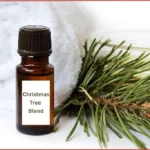
Pine essential oil, extracted from the needles and twigs of pine trees, brings the crisp, invigorating scent of the forest right into your home.
With its refreshing aroma and natural purifying properties, this versatile oil has been used for centuries in traditional wellness practices and continues to be widely used in modern applications.
✨ Get 12 Free Holiday Diffuser Blends — Printable PDF
Instantly make your home smell like Christmas with these festive, ready-to-use recipes.
Pine essential oil offers numerous possibilities in your everyday routine, from refreshing your space and creating a cleaner home environment to supporting your wellness routine and crafting homemade products.
Here’s a look at 36 ways to use pine essential oil in your daily routine.
I’ve grouped the ideas into 5 categories
- Aromatherapy
- Home & Cleaning
- Personal Care & Wellness
- Outdoors
- Seasonal
Table of Contents
Affiliate Disclosure: Some links on this site are affiliate links. I may earn a small commission if you purchase through them, at no extra cost to you. See the full affiliate disclosure.
Aromatherapy Uses
1. Energize Your Morning Routine
Start your day with the invigorating aroma of pine essential oil. Use it in the shower or add a few drops to your diffuser while getting ready in the morning. The uplifting aroma helps shake off grogginess and sets a positive tone for the day ahead.
For an even more immersive shower experience, make your own shower steamers that release the invigorating aroma of pine as they dissolve in the steam.
2. Diffuse for Focus and Clarity
Add 3-4 drops of pine essential oil to your aromatherapy diffuser to create an environment conducive to concentration and mental clarity. The clean, crisp scent of pine helps clear your mind and supports productivity during work or study sessions. Its aroma is less overpowering than some other oils, making it ideal for extended use in home offices or study areas.
Using the right type of diffuser is key to getting the benefits of pine essential oil. Ultrasonic devices are a great choice for living rooms where you want consistent scent distribution. For larger rooms, use a device designed for wider scent diffusion.
A homemade reed diffuser is an easy way to customize the look of the device to suit your décor.
Our guide to using essential oils in diffusers covers everything from drop ratios to diffuser care.
Blending tip: Try combining pine with lemon or cedarwood for a balanced, clean aroma.
3. Build a Grounding Blend with Woodsy Oils
Pine blends beautifully with other evergreen and woodsy essential oils like cedarwood, fir, and spruce for grounding.
Create a grounding aromatherapy blend by combining 2 drops pine, 2 drops cedarwood, and 1 drop frankincense in your diffuser. This combination promotes emotional stability and a sense of rootedness.
Dilute this grounding blend with a carrier oil, add it to a roller bottle, and apply gently over pulse points.
4. Uplift Mood
The fresh, clean scent of pine essential oil naturally uplifts the spirit.
Diffusing it throughout your living space can help create a more positive atmosphere, particularly during darker winter months or when you need an emotional boost. Its association with nature and the outdoors brings a sense of vitality indoors.
Blend pine with any of these uplifting essential oils to create a more complex scent with fresh forest undertones.
5. Enhance Meditation
The grounding properties of pine essential oil make it an excellent companion for meditation practices. Diffuse 2-3 drops before your session to create a calm, forest-like atmosphere that helps anchor your awareness to the present moment.
The woodsy scent has been used in spiritual practices across cultures for its ability to promote inner peace and connection.
Explore more essential oils for meditation.
6. Create a Refreshing Atmosphere for Busy Days
When feeling overwhelmed, pine essential oil can provide a natural sense of relief. Its refreshing aroma helps shift your mental state, offering a moment of respite from daily pressures.
Passive diffusers provide a gentle, continuous fragrance without the noise or mist, making them ideal for your workspace. Carry a personal aromatherapy inhaler for on-the-go support.
Home & Cleaning Uses
7. Freshen Linens & Pillows
Linen sprays are wonderfully versatile beyond just bedding. A light mist on curtains can refresh a room’s entire atmosphere when the fabric moves in a breeze. You can also use it on throw pillows, blankets, upholstered headboards, or even closet interiors to keep everything smelling naturally fresh between washes.
A pine linen spray is particularly useful for guest rooms that might sit unused for weeks. A quick spritz before visitors arrive makes the space feel immediately welcoming and cared for.
Create a custom pine linen spray with just a few simple ingredients. [Link to DIY linen spray recipe]
Blending tip: Add lavender or bergamot for a gentle, soothing nighttime blend.
8. Freshen Spaces & Eliminate Odors
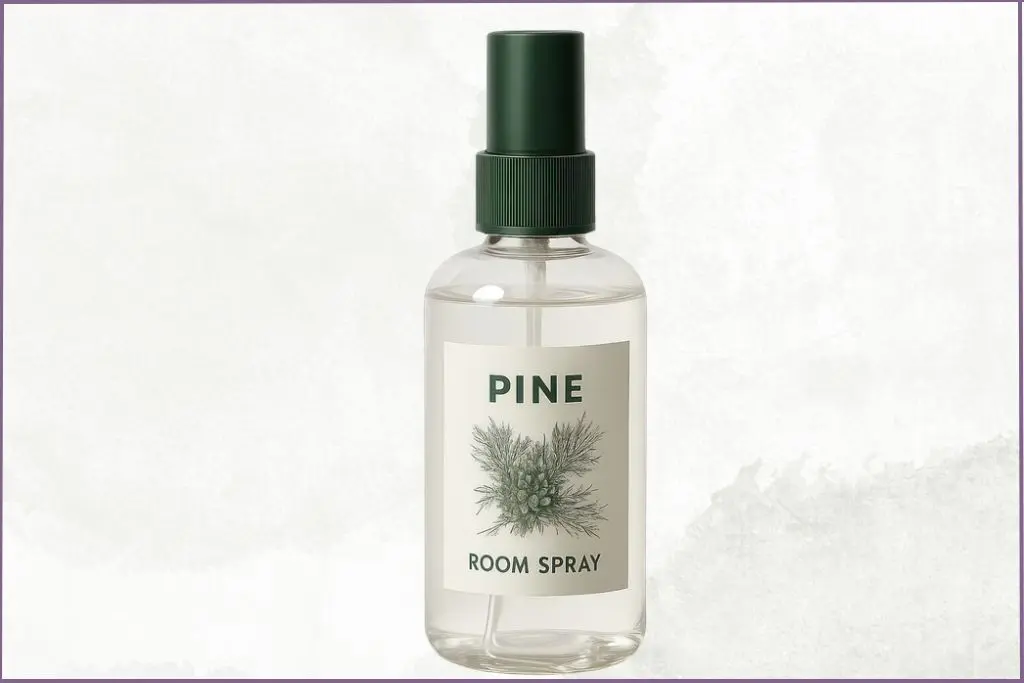
Unlike synthetic air fresheners that merely mask odors, pine essential oil actively helps neutralize them. It is particularly effective in bathrooms, kitchens, and pet areas.
Add several drops to a spray bottle with water and a dispersant such as witch hazel, or simply diffuse it in rooms that need freshening. Tweak this room spray recipe with pine essential oil.
A homemade pine room spray is gentle, natural, and customizable. You can adjust the strength to your preference and even blend it with complementary oils like eucalyptus or lemon for added benefits. Keep it in a glass spray bottle for quick spritzes throughout the day.
9. Boost Laundry Scent

Freshen your laundry naturally by adding 3-4 drops of pine essential oil to wool dryer balls or a damp washcloth before tossing in the dryer. Or, add to homemade fabric softener for fresh-smelling linens and clothes.
Fresh-smelling pine is great for towels, bedding, and workout clothes that need extra deodorizing.
10. Create a Scented All-Surface Cleaner

Pine essential oil’s natural cleaning properties make it a popular choice for scenting DIY surface cleaners.
Mix 10-15 drops with water, white vinegar, and a small amount of dish soap in a spray bottle.
This solution works wonderfully on countertops, tables, and other hard surfaces, leaving them clean and pleasantly scented without harsh chemical residues.
Making your own all-purpose cleaner is economical and allows you to control exactly what goes into your cleaning products.
11. Revitalize Wood and Tile Floors
Add 5-10 drops of pine essential oil to your bucket of floor cleaning solution for an extra boost of cleaning power and a fresh scent.
Pine essential oil works especially well on wood and tile floors, leaving them spotless and filling your home with a clean, natural fragrance. The oil’s gentle yet effective properties won’t damage most sealed flooring surfaces.
12. Freshen Closets and Storage Spaces

Keep closets and storage areas smelling fresh by placing cotton balls infused with pine oil on shelves or in corners. Replace every few weeks to maintain freshness.
This method also helps prevent musty odors in seasonal clothing storage and keeps linens smelling clean between uses.
Get 7 more ideas for making natural closet fresheners with pine essential oil.
13. Spritz To Refresh Bathrooms
Bathrooms present a unique fragrance challenge. They’re small, enclosed spaces that can quickly develop unpleasant odors, yet they’re also where we go to feel clean and refreshed.
A homemade pine-based bathroom spray offers an elegant, custom solution, providing a naturally fresh scent that feels crisp and clean rather than artificially sweet or floral.
What sets pine apart as a bathroom fragrance is its inherent association with cleanliness and freshness. The scent doesn’t try to mask odors with heavy perfume. Instead, it neutralizes them while creating an atmosphere that feels spa-like and purifying.
Pine also pairs wonderfully with other fresh, clean scents commonly used in bathrooms. Eucalyptus, peppermint, or citrus oils can all complement pine beautifully, allowing you to customize the blend to match your bathroom’s aesthetic and your personal preferences.
14. Deodorize Gym Gear
Gym bags, athletic shoes, and sports equipment are notorious for developing unpleasant odors that seem impossible to eliminate, but pine essential oil offers a natural solution that neutralizes smells rather than just masking them.
By placing pine-scented cotton balls inside shoes or tucking them into gym bag pockets, you introduce a fresh, clean scent that helps counteract the musty, sweaty odors that tend to accumulate in these items.
When the scent fades after a week or two, you simply add a few more drops of oil to refresh it, or toss the cotton ball and make a new one.
It’s a low-maintenance solution that works continuously in the background without requiring you to remember daily sprays or treatments.
Pine’s crisp, clean character makes it well-suited for this purpose.
15. Tackle Grease From Kitchen Surfaces
The degreasing properties of pine essential oil make it invaluable in the kitchen. Mix several drops with baking soda to create a paste that cuts through stubborn grease on stovetops, range hoods, and kitchen backsplashes.
Its natural solvency tackles tough grime while being gentler than commercial degreasers.
16. Deodorize & Clean Your Yoga Mat
A pine-scented yoga mat spray brings the grounding, forest-fresh atmosphere of outdoor practice into your indoor yoga space, creating a sensory experience that enhances your connection to your practice.
Yoga mats can develop odors from sweat and become breeding grounds for bacteria in the damp, dark environments where they’re often stored. A quick spritz with pine-infused spray between uses keeps your mat smelling fresh and feeling clean.
Regular cleaning with a pine spray helps prevent the musty smell that can develop in frequently used mats, extends the life of the mat by keeping it fresh between deep cleanings, and makes your practice space more inviting every time you unroll your mat.
17. Make A Natural Wood Polish
Adding a drop or two of pine essential oil to a wood-conditioning oil creates a furniture polish that nourishes and protects wood surfaces while also leaving behind a subtle, natural scent that enhances the organic beauty of the wood itself.
There’s something wonderfully harmonious about treating wooden furniture with a pine-scented polish. Both the wood and the fragrance come from trees, creating a sensory experience that feels authentic and connected to the material’s origins.
Pine’s clean, resinous character complements wood beautifully without overwhelming it. When you polish a dining table, dresser, or wooden shelf with pine-scented oil, the finished surface smells subtly fresh and outdoorsy, as if the furniture has been renewed and revitalized rather than simply masked with fragrance.
Personal Care & Wellness Uses
18. Elevate Your Bath Experience
Transform your bath into a forest retreat by adding 5-6 drops of pine essential oil mixed with a dispersant such as Epsom salts, carrier oil, or unscented bath gel to warm bathwater. The steam carries the aromatic properties, creating a spa-like experience that soothes both body and mind.
A pine aromatherapy bath is particularly relaxing at the end of a stressful day. Take time to read through these aromatherapy bath safety guidelines if this is your first time using essential oils in the bath.
Take your bath experience to the next level with homemade pine bath bombs that fizz and release aromatherapy as they dissolve.
19. Transform Your Shower Experience
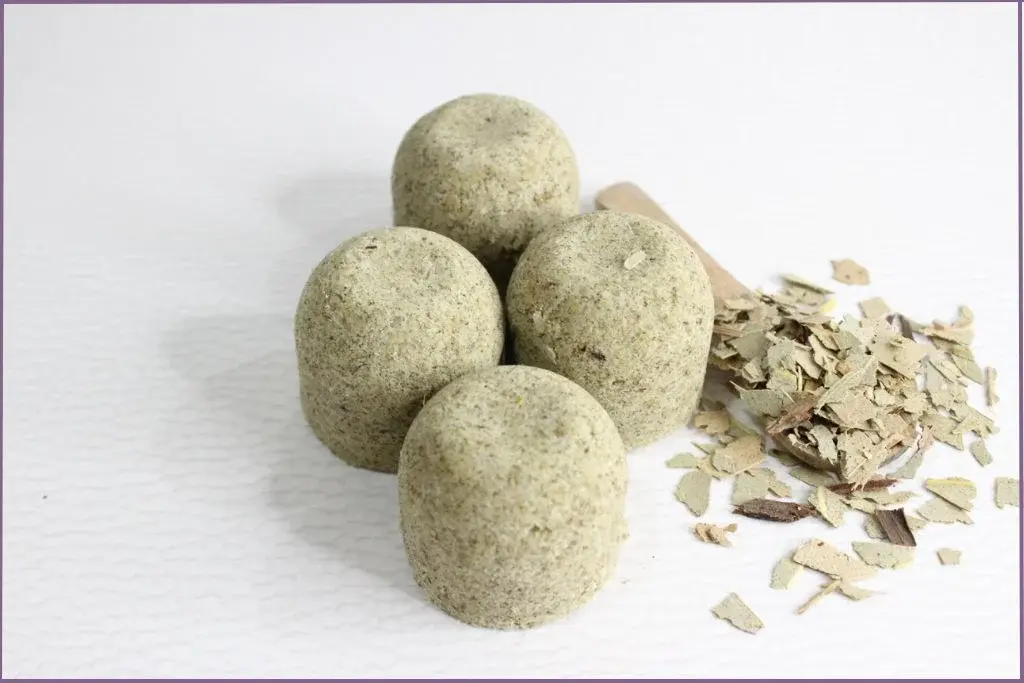
Adding a drop of pine essential oil to your shower floor creates an aromatic steam that transforms your daily shower into a spa-like ritual.
The rising steam carries the refreshing pine scent throughout the shower, enveloping you in forest-fresh aromatherapy while you cleanse.
For a more concentrated and long-lasting shower aromatherapy experience, create your own pine shower steamers. These dissolve slowly in the shower spray, releasing steady aromatic vapors throughout your entire shower.
20. Craft a Foaming Hand Soap
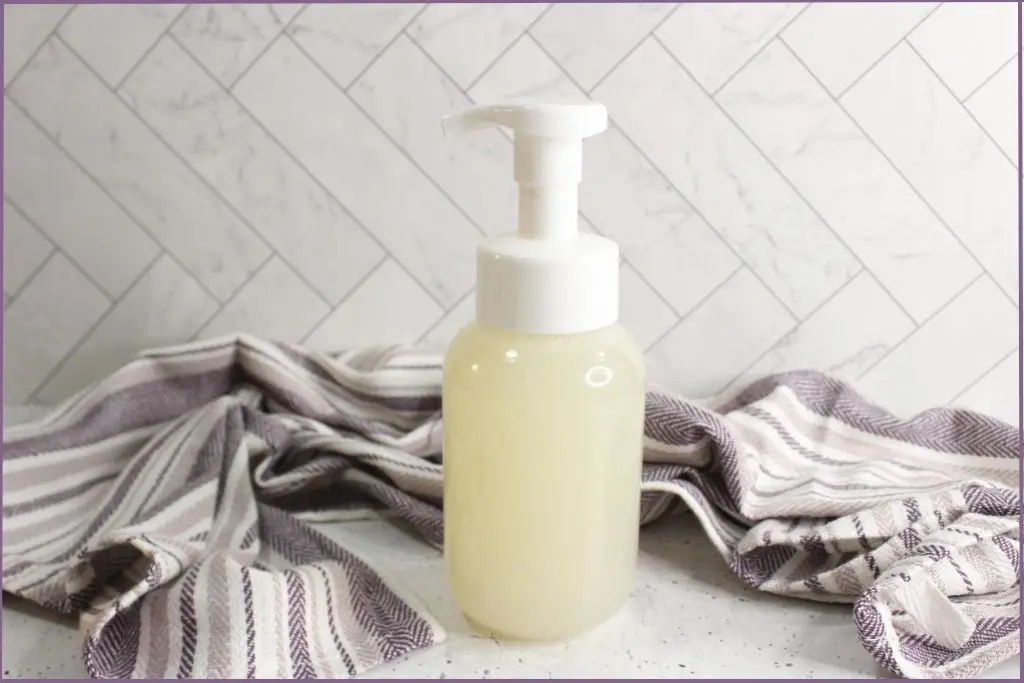
Pine essential oil creates wonderfully effective foaming hand soaps, particularly for kitchen and workshop use. The refreshing scent helps neutralize stubborn odors that linger on hands after cooking with garlic or onions, handling fish, or working with tools and materials.
Pine’s clean, fresh aroma provides a satisfying sense of cleanliness that floral or fruity scents often can’t achieve in these contexts.
Create a gentle, effective pine foaming hand soap that’s perfect for high-traffic areas like the kitchen.
21. Add to Melt & Pour Soap
If you prefer bar soap, pine works beautifully in melt-and-pour soap recipes. The essential oil’s natural cleansing action complements the soap base, creating bars that are both functional and aromatic.
Pine pairs wonderfully with activated charcoal, oatmeal, or coffee grounds for added exfoliation.
22. Add to Foot Soak for Tired, Achy Feet

After a long day on your feet, treat yourself to a revitalizing Epsom salt foot soak.
Add 4-5 drops of pine essential oil to a basin of warm water along with Epsom salts. Soak for 15-20 minutes to help ease foot fatigue and soften skin. The natural properties also help keep feet fresh and clean.
Get detailed instructions and recipes for making Epsom salt foot soaks with essential oils.
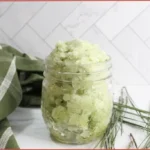
23. Exfoliate With Pine Sugar Scrub
A homemade pine-scented sugar scrub combines the physical exfoliation of sugar crystals with the aromatic benefits of pine essential oil, creating a spa-worthy experience at home. The fresh, invigorating scent transforms a basic exfoliating scrub into an energizing ritual that awakens the senses while buffing away dry skin.
Pine oil’s clean, crisp aroma pairs beautifully with the sweet base of sugar and carrier oils, creating a balanced scent that’s neither too sharp nor too sweet. This type of scrub is especially popular for hand scrubs in kitchens and workshops, where the pine scent provides a refreshing change from floral or fruity options.
The natural green color of pine oil can also add a subtle tint to your scrub, making it visually appealing as well as aromatic.
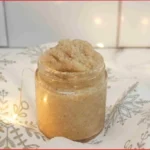
24. Make Pine Salve for Skin
Pine essential oil adds a lovely aromatic, woodsy scent to skin care preparations such as this multi-purpose salve. The oil’s natural properties complement the nourishing base of carrier oils and beeswax, creating a multi-purpose salve that’s both functional and pleasantly scented.
Pine salve is particularly popular during cold months when its refreshing aroma is most appreciated. The fresh, forest-like scent provides an aromatherapeutic experience with each application, turning a simple skincare routine into a moment of connection with nature.
Many crafters appreciate how pine’s masculine, earthy aroma creates products that appeal to all family members, making it a versatile addition to your DIY arsenal.
25. Make a Soothing Massage Oil
Create a soothing massage oil by diluting 6-8 drops of pine essential oil in 1 ounce of carrier oil such as jojoba, sweet almond, or coconut oil. The warming sensation and aromatic properties make it ideal for post-workout muscle relief or general tension. Massage into sore areas using gentle, circular motions.
26. Formulate A Soothing Chest Rub
Create a soothing aromatic chest rub by mixing pine essential oil with a carrier oil or unscented lotion (properly diluted at 2-3%). Apply to the chest and upper back during cold season to enjoy the refreshing vapors. The cooling sensation and invigorating aroma create a spa-like experience. Always dilute adequately to avoid skin sensitivity.
Outdoor Uses
27. Blend for Use In Outdoor Patios

Create a custom diffuser blend with pine, citronella, and lemon eucalyptus to freshen up outdoor spaces. This trio of oils combines pleasant fragrance with practical functionality, making your patio, deck, or backyard even more enjoyable during warm weather months.
Pine serves as the perfect foundation for creating relaxing outdoor spaces because it harmonizes beautifully with the natural environment. When combined with citronella’s lemony freshness and lemon eucalyptus’s crisp, clean notes, the result is a sophisticated outdoor scent that feels intentional and welcoming rather than trying to mask or compete with nature.
What makes this blend especially appealing is its seasonal versatility. The pine provides depth that works well into early fall when temperatures cool down but outdoor activities continue, while the citrus notes keep the blend feeling bright and fresh during peak summer.
You can adjust the ratios throughout the season. Add more pine for cooler evenings and more citrus elements during hot afternoons to create the perfect atmosphere for each occasion.
28. Neutralize Car Odors
Create a natural car air freshener by adding pine essential oil to a wooden clip-on diffuser, felt pad, or small sachet. Hang it from your rearview mirror or place it in a cup holder.
The clean, refreshing scent helps neutralize car odors from food, pets, or stale air, making your daily commute or road trips more pleasant. Refresh with new drops every week or two.
30. Refresh Camping Gear
Keep camping gear smelling fresh between adventures by creating a pine-scented spray. Mist tents, sleeping bags, and backpacks before storage to prevent musty odors and help repel pests.
The cleansing properties work to keep gear clean, while the fresh scent makes unpacking for your next trip more pleasant. You can also add a few drops to a cloth and wipe down the interior of coolers and storage bins.
31. Deodorize Hiking Boots
After muddy hikes or sweaty trail runs, hiking boots can develop strong odors. Combat this by placing cotton balls with 2-3 drops of pine essential oil inside each boot overnight.
The oil naturally deodorizes while leaving a fresh scent. For persistent odors, create a deodorizing powder with baking soda and a few drops of pine oil, sprinkle inside, leave overnight, then shake out before wearing.
32. Repel Insects Naturally
Pine essential oil’s strong scent helps deter various insects. Create a natural bug spray by mixing 10-15 drops with water and witch hazel in a spray bottle.
Apply to clothing and exposed skin (properly diluted and patch-tested first) before outdoor activities. The oil can also be added to outdoor candles or diffused on patios to help keep flying insects at bay during evening gatherings.
Seasonal Uses
33. Set A Cozy Winter Holiday Ambiance
Pine essential oil is synonymous with the holiday season.
Diffuse it throughout your home during November and December to create that festive atmosphere without the mess of a real tree. Combine it with cinnamon, clove, and orange essential oils for a complete holiday scent experience that welcomes guests and creates lasting memories.
34. Design & Scent Holiday Candles
Pine-scented candles work beautifully year-round but are especially popular during fall and winter months when we crave that cozy, cabin-in-the-woods feeling. Pine essential oil adds a fresh, woodsy aroma to homemade candles, perfect for creating a forest-like ambiance in your home.
The oil’s natural scent throw makes it ideal for soy or beeswax candle making, and it holds its fragrance well when the candle burns.
The key to success is using the right amount of essential oil for your wax type and allowing proper curing time for the scent to develop fully.
35. Spritz To Create An Alternative Christmas Tree Scent
If you opt for an artificial Christmas tree, you don’t have to miss out on that authentic pine scent. Add several drops of pine essential oil to unscented ornaments, wooden decorations, or cotton balls hidden in the branches.
You can also create a tree spray by mixing the oil with water in a spray bottle and lightly misting the tree (test on a small area first).
36. Scent Seasonal Potpourri
Create your own seasonal potpourri by adding pine essential oil to dried botanicals like pinecones, cinnamon sticks, orange peels, and cranberries. The beauty of DIY potpourri is its versatility across seasons and styles.
In winter, pine-scented pinecones and evergreen sprigs arranged in rustic bowls create a classic holiday display. In other seasons, you might combine wood chips or botanical elements with pine oil for a year-round, fresh, outdoor scent that works in any room.
The visual texture of natural materials, from the scales of pinecones and the grain of wood to the varied shapes of dried elements, creates interesting displays that draw the eye while releasing subtle fragrance.
Refresh the scent every few days by adding a few more drops of oil. Display in decorative bowls throughout your home for a natural, chemical-free way to scent your space during the cooler months.
Pine Essential Oil Blends Well With
Pine essential oil’s versatile scent profile makes it an excellent blending partner for many other essential oils. Understanding which oils complement pine can help you create more complex, layered aromatherapy experiences.
- Citrus Oils: Lemon, orange, and grapefruit add a bright, uplifting note to pine’s earthy base. These aroma combinations are perfect for energizing morning blends or fresh-scented cleaning products.
- Evergreen Oils: Fir, spruce, and cedarwood create authentic forest aromas when blended with pine. These combinations are grounding and deeply relaxing.
- Eucalyptus: This pairing creates an especially refreshing, spa-like experience.
- Rosemary: Combines with pine for mental clarity blends and cleaning formulations with extra purifying power.
- Peppermint: Combining peppermint and pine creates invigorating, cooling blends perfect for muscle rubs and energizing diffuser combinations.
- Frankincense: Adds depth and spiritual grounding to pine’s crisp scent, ideal for meditation and contemplative practices.
- Lavender: Balances pine’s sharpness with floral softness, creating relaxing blends suitable for evening wind-down routines.
Explore more pine diffuser blend recipes and ratios.
Precautions When Using Pine Essential Oil
General Safety Guidelines
- Always dilute before skin contact: Essential oils are highly concentrated and should never be applied directly to skin without proper dilution in a carrier oil. For topical use, a typical dilution is 2-3 drops of essential oil per teaspoon of carrier oil.
- Perform a patch test: Before using any new essential oil topically, test a small diluted amount on your inner forearm and wait 24 hours to ensure you don’t have a sensitivity reaction.
- Keep away from eyes and mucous membranes: If accidental contact occurs, dilute with a carrier oil (not water) and seek medical attention if irritation persists.
- Store safely: Keep pine essential oil in a cool, dark place away from direct sunlight, and always store it out of reach of children and pets.
Specific Populations
- Pregnancy and nursing: Consult with a qualified healthcare provider before using essential oils if you’re pregnant, trying to conceive, or breastfeeding.
- Children: Exercise caution with children under 10 years old. Always dilute more heavily for children, and avoid use around infants under 6 months. Never allow children to handle undiluted essential oils.
- Pets: Essential oils can be harmful to pets, particularly cats and birds, whose systems process aromatic compounds differently than humans. Ensure proper ventilation if diffusing around pets, and never apply essential oils to pet fur or skin.
Usage Considerations:
- Quality matters – Purchase pure, therapeutic-grade pine essential oil from reputable suppliers. Avoid synthetic fragrance oils labeled as “pine scent,” which don’t offer the same aromatic benefits and may contain questionable ingredients.
- Skin sensitivity – Pine essential oil may cause skin sensitivity in some individuals, particularly those with sensitive skin or existing skin conditions. Always use proper dilution ratios.
- Surface testing – When using pine oil in cleaning products or on fabrics, test on an inconspicuous area first to ensure it doesn’t cause discoloration or damage.
- Diffusing guidelines – When diffusing, follow your diffuser’s instructions for the appropriate number of drops. More isn’t always better – over-diffusing can cause headaches or respiratory irritation. Diffuse in well-ventilated spaces and take breaks (30-60 minutes on, then off).
If you’re new to aromatherapy, read these detailed safety guidelines before using essential oils.
Pine essential oil is truly one of nature’s most versatile gifts. From refreshing your home environment to supporting personal wellness practices, crafting homemade products, and creating seasonal ambiance, this single essential oil offers an impressive range of applications.
As you explore these 36 ways to use pine essential oil, remember that quality matters. Choose pure, therapeutic-grade oil from reputable suppliers to ensure you’re getting the full benefits.
Start with one or two applications that appeal to you most, and gradually expand your use as you become more comfortable working with this wonderful essential oil. Experiment with different applications, blend with complementary oils, and discover which uses work best for your lifestyle.
What’s your favorite way to use pine essential oil? Feel free to share your experiences and creative applications!
Using Pine Essential Oils: FAQs
What is pine essential oil good for?
Pine essential oil is valued for its fresh, forest-like aroma and versatile applications. It is commonly used in aromatherapy for mental clarity and focus, in home cleaning solutions for its natural purifying properties, and in personal care products for its refreshing scent.
The oil works well in DIY projects like candles, soaps, and room sprays, and is popular during holiday seasons for creating a festive ambiance.
What does pine essential oil smell like?
Pine essential oil has a fresh, crisp, resinous scent that’s immediately recognizable as “forest” or “evergreen.” It’s clean and slightly sharp without being medicinal, woody without being heavy, and bright without being citrusy. The aroma is often described as invigorating, outdoorsy, and naturally refreshing, like taking a deep breath on a walk through a pine forest.
Can I apply pine essential oil directly to my skin?
No, pine essential oil should never be applied directly to skin without dilution. Always mix it with a carrier oil (like jojoba, coconut, or sweet almond oil) at a proper dilution rate of 2-3% for adults. This means approximately 6-9 drops of essential oil per ounce of carrier oil.
Always perform a patch test on a small area of skin before broader application.
How do I use pine essential oil in a diffuser?
Add 3-5 drops of pine essential oil to your diffuser filled with water according to the manufacturer’s instructions. For larger rooms, you may use up to 6-8 drops.
Pine can be diffused alone for a pure forest scent, or blended with complementary oils like eucalyptus, lemon, or cedarwood. Diffuse for 30-60 minutes at a time, with breaks in between.
What essential oils blend well with pine?
Pine essential oil blends beautifully with citrus oils (lemon, orange, grapefruit), other evergreens (fir, spruce, cedarwood), eucalyptus, rosemary, peppermint, frankincense, and lavender.
These combinations can create everything from energizing morning blends to grounding meditation atmospheres. Experiment with different ratios to find your perfect combination.
How do I make pine-scented cleaning products?
To create pine-scented cleaning products, add 10-15 drops of pine essential oil to a spray bottle with water, white vinegar, and a small amount of dish soap for an all-purpose cleaner. For floor cleaning, add 5-10 drops to your mop bucket.
Always shake well before use and test on an inconspicuous area first. The oil’s natural properties enhance the cleaning power while leaving a fresh scent.
How long does pine essential oil last?
When stored properly in a dark glass bottle, away from heat and direct sunlight, pine essential oil typically maintains its quality for 2-3 years.
Always check for changes in color, consistency, or scent, which may indicate oxidation. Keep the bottle tightly sealed when not in use to prevent evaporation and degradation.
Does pine essential oil stain fabrics or surfaces?
Pine essential oil itself is generally clear to pale yellow and doesn’t typically stain most fabrics or surfaces. However, the carrier oils or other ingredients mixed with it in DIY projects (like oils in salves or sprays) can potentially leave marks on certain fabrics or porous surfaces. Always test on an inconspicuous area first.